
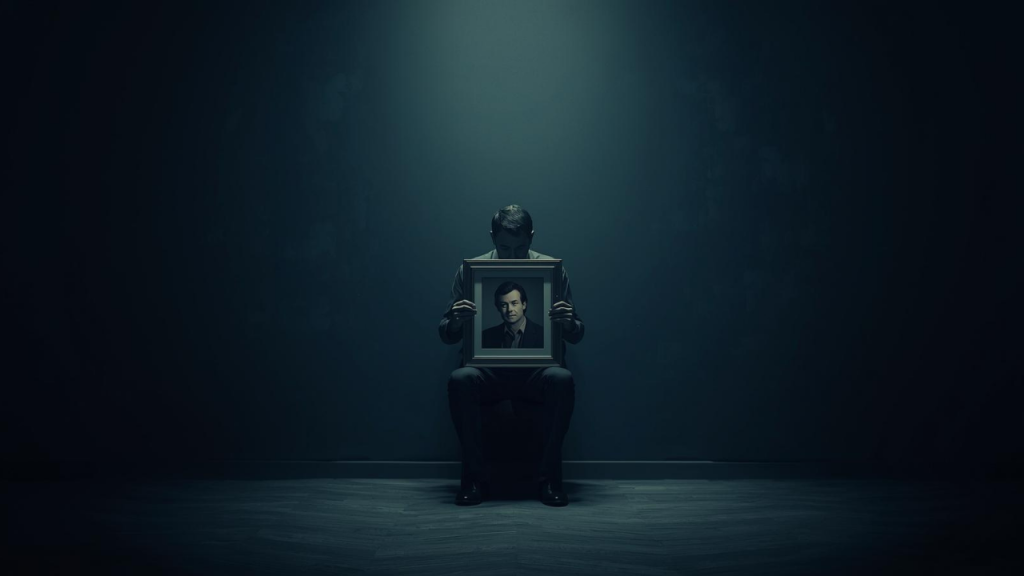

The message sat unread for three days.
Vikrant saw the notification every time he unlocked his phone. He told himself he was busy. Meetings ran long. Deadlines stacked. Life demanded attention. The truth was simpler and more uncomfortable—he assumed the message could wait.
It always had.
The sender was his mother.
She didn’t text often. When she did, it was brief and careful, as if words cost something. Call me when you’re free, the message read. No urgency. No complaint.
Vikrant archived it.
He was forty-two, respected at work, efficient with everything except the people who loved him. His calendar ruled his days; his ambition ruled his nights. He believed success was proof of gratitude—that building a good life honored the sacrifices made for him.
He believed there would be time.
His mother lived alone in the old house on the outskirts of the city. After his father died, she refused to move. “I know the walls here,” she said. “They remember us.” Vikrant visited on festivals, sent money regularly, called when reminded.
She never complained.
That worried him sometimes.
The call came on a Thursday morning, cutting through a presentation rehearsal. A neighbor’s number flashed on the screen.
“She collapsed,” the voice said. “We’re at the hospital.”
Vikrant drove faster than he should have, heart pounding, thoughts scrambling for prayers he hadn’t practiced in years. At the hospital, corridors smelled of antiseptic and inevitability. A doctor spoke in measured tones.
“She had a stroke. We did what we could.”
Vikrant arrived too late to hear her voice.
He sat beside the bed, holding a hand that felt smaller than memory allowed. The machines were quiet now. The room was unbearably still.
Grief did not arrive as tears.
It arrived as inventory.
He thought of birthdays missed. Calls postponed. Messages archived. He thought of the way she waited—never demanding, always understanding, trusting him with the assumption of return.
At home, sorting through her belongings, Vikrant found evidence of a life lived patiently.
Receipts organized by year.
Photographs labeled on the back.
A notebook filled with reminders: Vikrant likes lemon pickle. Ask about his project. Don’t forget to rest.
On the last page was a list titled Things I’ll tell him next time.
It wasn’t long.
I’m proud of you.
You don’t have to rush.
I’m okay.
Vikrant sank to the floor.
The days that followed were heavy and administrative. Condolences. Signatures. Rituals that tried to contain loss. Friends spoke of strength. Colleagues praised his composure.
Composure felt like betrayal.
After the funeral, Vikrant returned to work and lasted three hours. The conference room felt hostile. The metrics meaningless. He left without explanation and drove to the old house.
He sat in her chair by the window as evening fell. The streetlights flickered on. He imagined her here, waiting—not for him, but for the day to end.
For the first time, he understood what she had given him.
Not money.
Not pressure.
Time.
Time she didn’t claim.
Love that didn’t interrupt.
Patience that didn’t keep score.
Understanding this too late did not change the past.
It changed him.
Vikrant began calling people back. He began asking questions without checking the clock. He learned to sit through discomfort instead of scheduling it away. On Sundays, he visited the old house, tending the small garden she loved, cooking meals she used to make.
He kept the notebook on his desk.
When work tried to convince him that everything else could wait, he opened it and remembered the cost of believing that lie.
Some lessons do not announce themselves.
They arrive after the door has closed.
And if you’re lucky—if you’re brave—you live the rest of your life differently, honoring the value you realized too late by never delaying love again.


