
The bangles were the first thing Anjali removed.
They slid off her wrist silently, one by one, placed carefully into a small wooden box she pushed to the back of the cupboard. The house felt different without their soft clinking sound—quieter, emptier, like it was holding its breath.
At twenty-six, Anjali was a widow.
The word felt too heavy for someone so young.
Rohan had been her world.
They married with laughter, with dreams scribbled on scraps of paper—travel plans, a bigger house someday, children’s names chosen half-jokingly. Their love had been simple, steady, and full of warmth.
Then one evening, a phone call shattered everything.
An accident.
A hospital.
A goodbye that never happened.
Anjali remembered sitting on the hospital floor, unable to cry, unable to breathe, unable to understand how a life could end so suddenly while hers continued.
After the funeral, rituals took over.
People told her how to dress, how to sit, how to grieve. Advice came disguised as concern.
“You’re young, but life is over now.”
“Be strong.”
“Accept God’s will.”
Anjali nodded quietly.
Inside, something screamed.
She moved back into her parents’ house, carrying a single suitcase and a lifetime of loss. Her room became a place of stillness. Days blended into nights. She slept too much, then not at all.
She avoided mirrors.
The woman staring back felt unfamiliar—older, hollowed out, wrapped in sorrow she didn’t choose.
Grief became routine.
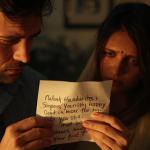
One afternoon, while cleaning an old drawer, Anjali found Rohan’s notebook.
Inside were unfinished lists and small notes he’d written for her.
Teach Anjali how to ride a bike properly.
Surprise her with breakfast.
Tell her she’s braver than she thinks.
Tears soaked the pages.
But something else stirred beneath the pain.
He had believed in her future.
Even when he couldn’t be part of it.
The first step toward change was small.
Anjali enrolled in a short online course—something she had always postponed. Her parents were surprised.
“Are you ready for this?” her mother asked gently.
“I don’t know,” Anjali replied honestly. “But I don’t want to disappear.”
Learning gave her structure. Purpose. A reason to wake up beyond survival. Some days were hard. Some days guilt crept in.
Am I allowed to move forward?
Does healing mean forgetting?
She carried these questions quietly.
One evening, Anjali attended a support group for widows.
She almost turned back at the door.
Inside, women of different ages sat in a circle, sharing stories that sounded painfully familiar. Loss. Loneliness. Fear. Judgment.
When Anjali finally spoke, her voice shook.
“I don’t know who I am without him.”
A woman across the circle nodded. “None of us do at first.”
That sentence stayed with her.
Slowly, Anjali reclaimed small pieces of herself.
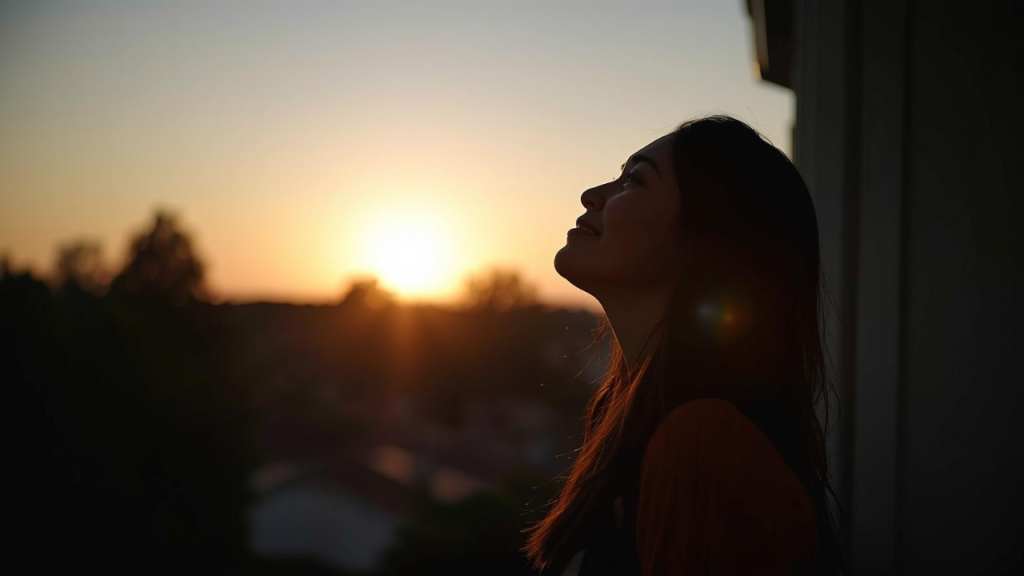
She started walking in the mornings, letting sunlight touch her face. She cooked again, experimenting with flavors Rohan used to tease her about. She laughed once—and then cried because of it.
Healing wasn’t straight.
It zigzagged.
The real turning point came when Anjali was offered a job.
It wasn’t glamorous. But it was hers.
On her first day, she stood in front of the mirror, adjusting her dupatta, hands trembling.
“You can do this,” she whispered.
At work, no one knew her past. She wasn’t the widow.
She was Anjali.
That mattered.
There were still difficult moments.
Weddings she avoided.
Songs she couldn’t hear.
Nights when memories returned uninvited.
But grief no longer owned every hour.
It shared space with hope.
One afternoon, sitting alone with a cup of tea, Anjali realized something surprising.
She wasn’t waiting to die anymore.
She was planning to live.
That realization didn’t erase her pain.
It gave it meaning.
Months later, Anjali stood at a temple, lighting a small lamp.
“For you,” she whispered. “And for me.”
She understood now that love doesn’t end with loss.
It transforms.
Rohan would always be part of her story—but not the final chapter.
A young widow finding a new beginning doesn’t forget.
She remembers, carries, honors.
And then—step by careful step—she chooses herself again.
Not because the past fades.
But because life still calls.
And Anjali, finally, answered.